
Hiring in the Philippines gives you access to dedicated professionals and a strong talent pool. When you build virtual teams or expand your virtual staff, you also take on legal responsibilities. One of the most misunderstood areas is employee probation. If you do not handle it correctly, you risk disputes, penalties, and damaged relationships with your team.
In this guide, you will learn how to manage employee probation legally in the Philippines, what the law expects from you, and how our platform at Comply.ph helps you stay compliant while you focus on growth. You will also see how employee conversions and long term hiring become simpler when you use an Employer of Record model.
Understanding Employee Probation in the Philippines
Employee probation is a legally defined period. It allows you to assess whether a new hire meets your standards for regular employment. In the Philippines, probationary employment is regulated under the Labor Code. You cannot treat it casually or apply your own rules without considering local law.
When you build virtual teams in the Philippines, probation applies whether your staff works onsite or remotely. This includes virtual staff, contractors you convert through employee conversions, and newly hired employees.
Key Legal Definition You Should Know
Under Philippine law, probationary employment:
- Cannot exceed six months from the date the employee starts working
- Must have clear standards communicated at the start
- Requires due process if termination occurs during probation
If these rules are not followed, the employee may be considered a regular employee from day one.
Why Employee Probation Matters for Your Business
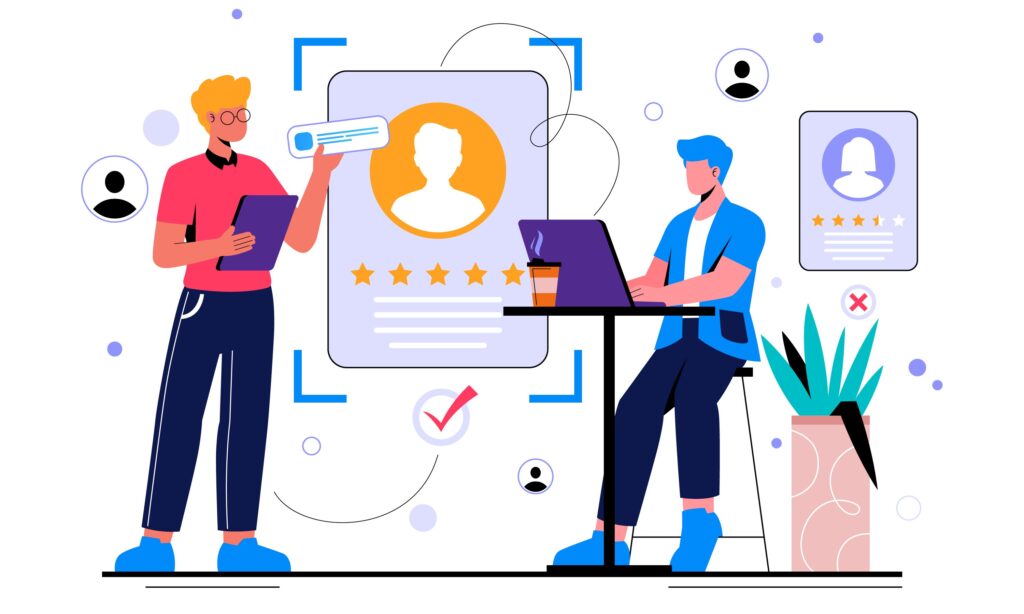
Employee probation protects both you and your employee. For you, it creates a structured way to assess performance and fit. For the employee, it sets expectations and provides transparency.
If you skip proper probation rules, you expose your business to risks such as:
- Illegal dismissal claims
- Forced regularization
- Fines and compliance issues
- Loss of trust among your virtual staff
This is especially important when you build virtual teams across borders. Philippine labor law still applies, even if you are based overseas.
Common Misunderstandings About Employee Probation
Many employers misunderstand employee probation. These misconceptions often lead to costly mistakes.
Misconception 1: Probation Can Be Extended Freely
You cannot extend probation beyond six months unless the nature of the job requires a longer period and this is clearly justified and documented. Most roles do not qualify for extensions.
Misconception 2: You Can Terminate Without Explanation
Even during employee probation, you must have a valid reason for termination. Poor performance must be based on pre defined standards that were explained at the beginning.
Misconception 3: Probationary Employees Have No Rights
Probationary employees are still protected by labor laws. They are entitled to minimum wage, benefits, and due process.
When you rely on virtual staff, these misconceptions often come from applying foreign rules to Philippine employment. Our platform helps you avoid this.
Legal Requirements You Must Follow During Employee Probation
To handle employee probation legally in the Philippines, you must follow specific steps. Skipping any of these can invalidate the probationary status.
Clear Employment Contracts
Your employment contract must clearly state that the employee is on probation. It must also include:
- The duration of the probation period
- The performance standards for regularization
- The role and responsibilities of the employee
When you convert freelancers through employee conversions, this step is critical. You cannot rely on informal agreements.
Communicating Standards From Day One
Philippine law requires you to inform employees of the standards they must meet to become regular employees. These standards must be reasonable and job related.
Examples include:
- Quality of work
- Attendance and punctuality
- Ability to meet deadlines
- Professional conduct
If standards are not communicated clearly, the employee may be deemed regular automatically.
Terminating an Employee During Probation
Termination during employee probation is allowed, but only under strict conditions.
Valid Grounds for Termination
You may terminate a probationary employee if:
- They fail to meet the communicated standards
- There is just cause such as misconduct or gross negligence
Performance based termination must be documented. Verbal feedback alone is not enough.
Due Process Still Applies
Even during employee probation, you must observe due process. This includes:
- Written notice explaining the reason
- Opportunity for the employee to respond
- Final notice of decision
Skipping due process can lead to legal disputes.
What Happens After Successful Probation
Once the probation period ends, the employee becomes a regular employee by law. This happens automatically if you do not issue a notice of non regularization.
Regular employees enjoy stronger job security. Termination requires authorized causes or just causes under the law.
This transition is a key moment when you build virtual teams for the long term. Stability leads to loyalty, performance, and retention.
Employee Probation and Employee Conversions

Employee conversions are common for businesses that start with freelancers or virtual assistants. When you convert these individuals into full time employees, probation rules still apply.
How Probation Works in Employee Conversions
If a freelancer becomes an employee:
- A new employment contract must be issued
- Probation may apply if the role is substantially different
- Past freelance work does not always count toward probation
This area is complex and often misunderstood. Missteps can lead to misclassification risks.
Our platform ensures employee conversions follow Philippine labor law correctly.
Managing Probation for Virtual Staff
Managing employee probation for virtual staff requires structure and documentation. Remote work does not reduce your legal obligations.
Best Practices for Remote Probation Management
To manage probation effectively, you should:
- Set measurable performance indicators
- Conduct regular check ins
- Keep written records of feedback
- Use consistent evaluation criteria
These practices protect you and give your virtual staff clarity.
Why Compliance Is Hard Without Local Expertise
Philippine labor law is detailed and employee friendly. For foreign businesses, managing employee probation alone can feel overwhelming.
Challenges include:
- Understanding local regulations
- Keeping up with legal updates
- Handling payroll and benefits correctly
- Managing terminations lawfully
This is where our platform at Comply.ph becomes essential.
How Our Platform Helps You Handle Employee Probation Legally
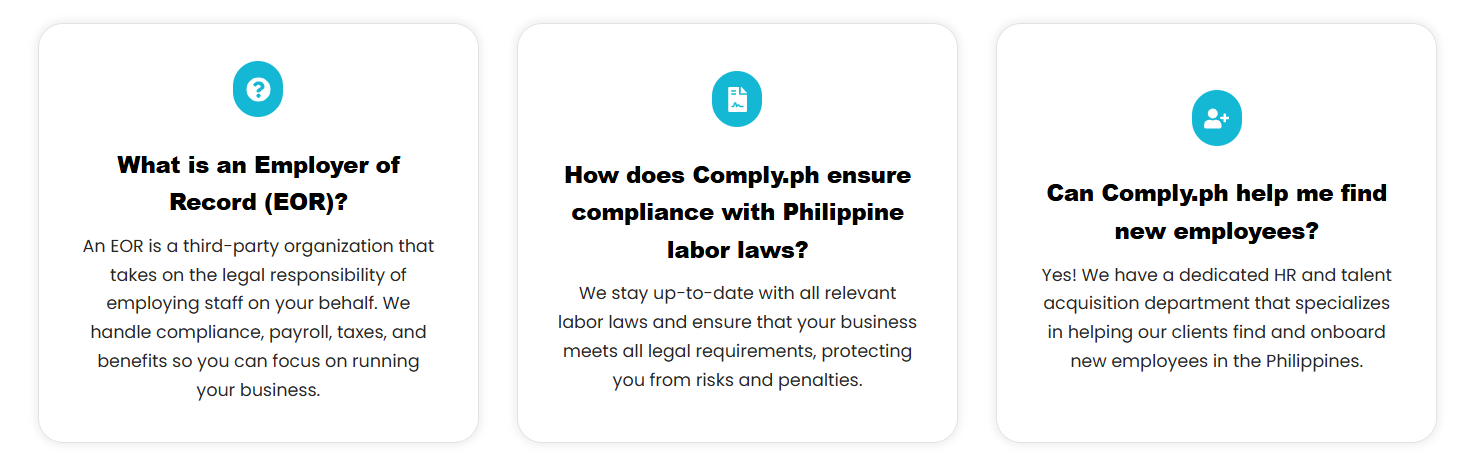
Comply.ph acts as your Employer of Record in the Philippines. This means we legally employ your team under our Philippine entity while they work exclusively for you.
What We Do for You
When you use our platform, we handle:
- Drafting compliant employment contracts
- Managing employee probation documentation
- Ensuring lawful employee conversions
- Payroll, taxes, and statutory benefits
- HR and legal compliance
You get peace of mind knowing every step follows Philippine law.
Building Virtual Teams With Confidence Using Comply.ph
When you build virtual teams through our platform, compliance is built into the process. You do not need to worry about employee probation mistakes.
Why Our Platform Supports Long Term Growth
Our platform helps you:
- Secure talent for the long term
- Reduce turnover among virtual staff
- Build loyalty through proper employment
- Avoid legal risks related to probation and termination
This structure allows you to focus on scaling your business.
Turning Freelancers Into Real Employees the Right Way
Many businesses start with freelancers. Over time, they want stability and commitment. Employee conversions make this possible.
With Comply.ph, you can turn freelancers into real employees while respecting employee probation rules.
Benefits of Doing Employee Conversions Properly
Proper employee conversions lead to:
- Stronger commitment from your team
- Clear employment relationships
- Legal protection for your business
- Improved performance and morale
Your virtual staff feels valued and secure.
The Role of Probation in Long Term Retention
Employee probation sets the tone for the entire employment relationship. When handled properly, it builds trust.
Employees who understand expectations and feel treated fairly are more likely to stay long term. This is critical when you rely on virtual staff for key functions.
Our platform ensures probation is structured, fair, and compliant from day one.
Practical Tips for You as an Employer
To summarize, here are actionable steps you should follow:
- Always issue a written probationary contract
- Communicate performance standards clearly
- Document feedback during employee probation
- Observe due process in all terminations
- Use local expertise to avoid mistakes
These steps are easier when you partner with an Employer of Record.
Why Comply.ph Is the Best Choice for Hiring in the Philippines
Our platform is designed specifically for businesses that want to build virtual teams and manage virtual staff legally in the Philippines.
What Sets Our Platform Apart
Comply.ph offers:
- End to end employment compliance
- Expertise in employee probation and employee conversions
- Transparent pricing
- Ethical employment practices
- Local HR, payroll, and legal support
You stay in control of your team while we manage the complexity.
Secure Your Team and Your Business Today
Handling employee probation legally in the Philippines is not optional. It is a requirement that protects your business and your people.
When you partner with Comply.ph, you do not have to navigate this alone. Our platform helps you build virtual teams, manage virtual staff, and complete employee conversions with confidence.
If you are ready to secure talent for the long term and turn freelancers into real employees the right way, book your free consultation with our platform today.