
If you’re hiring in the Philippines, planning to expand your operations, or working with Filipino professionals, you’ll quickly discover that understanding local labor rules is essential. This is even more important when you want to build virtual teams or when you’re considering employee conversions for your current Filipino workers. The Philippine labor landscape has its own legal terms, requirements, and expectations, and knowing them protects your business while giving your people the security they deserve.
At Comply.ph, our platform was created specifically to help foreign businesses succeed with Filipino talent. Whether you’re hiring new team members or managing employee conversions from freelancers to full-time workers, we handle everything related to payroll, benefits, compliance, and HR so you can focus on growth. You get peace of mind while your team gets stability.
This blog will walk you through nine legal terms every PH employer should understand, written in a clear and practical way so you can apply them immediately. Each term also includes insights on how our platform supports you when you build virtual teams or when you want to start converting your virtual staff into fully compliant employees.
1. Employer of Record (EOR)
If you’re hiring in the Philippines without your own local entity, the Employer of Record (EOR) is the most important term you need to know.
An EOR is a legal entity that officially employs your workers on your behalf. This means:
- Your workers are legally employed under the EOR’s company
- The EOR handles all compliance-related obligations
- You direct the workers day-to-day while the EOR manages the legal side
When you work with our platform, we serve as the Employer of Record for your Filipino team. This is the foundation that makes employee conversions simple and risk-free. It also helps you build virtual teams without worrying about legal exposure or paperwork.
What our platform handles as your EOR:
- Payroll
- Tax withholdings
- Government contributions
- Mandatory benefits
- Employment contracts
- Compliance with PH labor laws
This setup allows you to focus on performance, culture, and long-term success while we take care of everything else.
2. Department of Labor and Employment (DOLE)

The Department of Labor and Employment, or DOLE, is the primary government agency that regulates employment in the Philippines. DOLE protects worker rights and ensures all employers comply with labor laws and standards.
If you’re managing virtual staff or planning employee conversions, it’s important to stay aligned with DOLE requirements. If not, penalties, disputes, or legal risks can arise quickly.
Key responsibilities of DOLE include:
- Inspecting workplaces
- Enforcing labor rules
- Monitoring wage compliance
- Overseeing employment standards
When you use our platform, we ensure full alignment with DOLE requirements. This eliminates risks and helps you maintain a stable environment for your team.
3. Mandatory Government Contributions
Employers in the Philippines must provide government contribution payments for employees. These contributions give workers access to essential social protection programs. If you want to build virtual teams the right way, understanding these is non-negotiable.
The major contributions include:
- Social Security System (SSS)
- PhilHealth
- Pag-IBIG Fund
Each contribution is required for every Filipino employee. Failure to comply can lead to legal issues.
What these contributions cover:
- SSS: Retirement, sickness, disability, maternity, and more
- PhilHealth: Health insurance
- Pag-IBIG: Housing savings and loans
When we support your employee conversions, all contributions are handled accurately so your workers get proper benefits and so your business avoids compliance problems.
4. 13th-Month Pay
In the Philippines, every employee is entitled to 13th-month pay, an additional payment equal to one-twelfth of the employee’s total basic salary for the year. It must be given no later than December 24.
If you’re used to hiring freelancers or virtual staff without employment benefits, this requirement is often overlooked. But when you begin employee conversions, you should prepare to provide this mandatory payout.
Why this matters for employers:
- It affects budget planning
- It influences employee satisfaction
- It is required under Philippine law
Our platform automates 13th-month pay calculation and ensures all payouts are accurate and compliant.
5. Security of Tenure

Security of tenure means employees can’t be dismissed without a valid and lawful reason. This is a core protection under Philippine labor law.
If you’re hiring virtual staff or want to perform employee conversions, you must understand this principle because it guides how you handle employment stability.
Acceptable grounds for termination include:
- Authorized causes (e.g., redundancy)
- Just causes (e.g., workplace violations)
You cannot terminate an employee at will. That’s why working with an EOR through our platform is valuable – we ensure every step is compliant and defensible.
6. Regular Employment
Regular employment is the standard employment classification in the Philippines. Once an employee becomes “regular,” they receive full benefits and enjoy job protection.
Workers typically become regular after a probationary period of up to six months, unless they are hired as regular employees from day one.
If you’re used to hiring contractors or virtual staff internationally, regular employment may feel unfamiliar. It’s a major factor when you do employee conversions because your people gain long-term stability and access to all their legal rights.
Regular employees receive:
- Full benefits
- Paid leave
- Overtime compliance
- Social protections
- Security of tenure
Our platform ensures every worker you hire or convert is properly classified to avoid legal disputes or misclassification risks.
7. Probationary Employment
Probationary employment is a trial period that cannot exceed six months. During this period, employers can evaluate whether the employee is fit for the role.
However, this period comes with strict rules:
- You must clearly state the performance standards from the first day
- You cannot extend probation beyond six months
- Probationary employees still receive benefits
If you’re building virtual teams or converting freelancers into employees, you can decide whether to place them under probation or regular status. Our platform helps you determine the best approach based on your business goals.
8. Minimum Wage Compliance

Each region in the Philippines sets its own minimum wage rates. This means the required wage may vary depending on where your worker lives. When you hire virtual staff, this becomes even more important because remote employees may be located across different regions.
If you don’t comply with minimum wage laws, you expose your business to serious legal risks.
Our platform ensures:
- Accurate regional wage mapping
- Compliance with all wage orders
- Transparent salary structuring
This becomes especially valuable when handling employee conversions, as many contractors were previously paid fixed rates with no regard for minimum wage rules. We ensure everything transitions smoothly and legally.
9. Data Privacy Act (DPA)
The Philippines has strict data protection rules. The Data Privacy Act requires employers to protect personal information and follow clear protocols for data handling.
If you hire virtual staff, you deal with sensitive data daily:
- Government IDs
- Salary details
- Employment documents
- Performance records
When you manage employee conversions, the amount of data increases even more.
Our platform follows DPA standards and uses secure systems to protect your employees’ information. You don’t need to worry about setting up your own compliance systems because we cover this fully.
Why These Legal Terms Matter When You Build a Long-Term Team
Understanding these legal terms is not just about avoiding penalties but creating a better working environment for your Filipino team.
Filipino workers value stability, clear communication, and transparency. When you align your operations with Philippine labor rules, you show your people that you respect their rights. This often leads to:
- Higher retention
- Better performance
- Stronger loyalty
- Long-term stability
If you want your team to grow with your company, you need to provide them with the same treatment they would receive in any formal employment arrangement.
How Comply.ph Makes Everything Simple
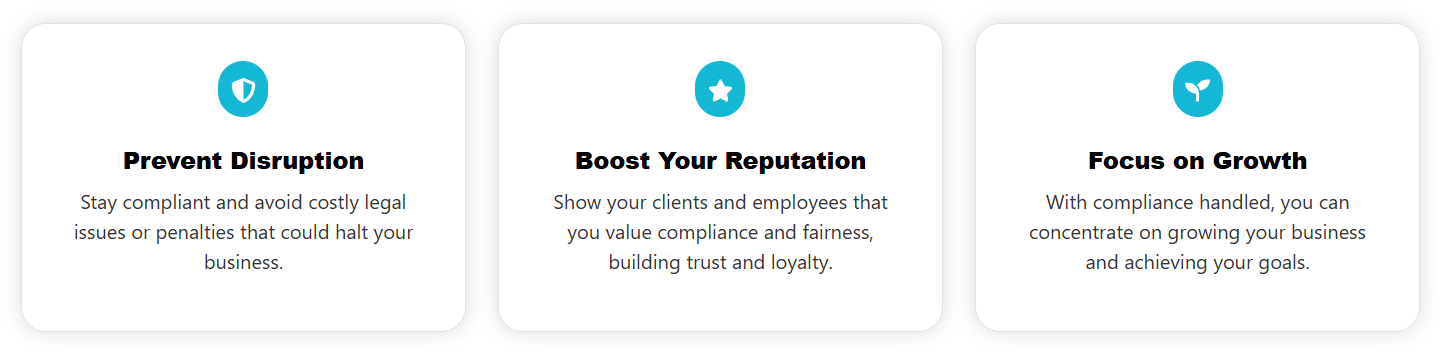
Our platform was built specifically to help businesses like yours hire Filipino talent the right way. Whether you want to build virtual teams or start doing employee conversions for your freelancers, we provide a complete solution.
Here’s what you get when you work with us:
- Stress-Free Compliance
We ensure every worker is fully compliant with Philippine labor laws so you can focus on growth.
- Seamless Employee Conversions
Your freelancers or contractors become legally employed without disrupting your operations.
- Consistent Support
Our HR, accounts, and legal teams handle everything on your behalf.
- Transparent Pricing
No surprises or hidden fees – just clear guidance and support.
- Total Peace of Mind
We assume the legal responsibility. You get a dedicated team, and your workers receive stable employment.
Benefits for Your Filipino Team
When you partner with our platform, your Filipino staff receive:
- Paid benefits
- Health coverage
- Social protection
- Job security
- Professional growth opportunities
They feel valued, and you get a committed team that supports your long-term goals.
Start Building a Fully Compliant Filipino Team Today
If you’re ready to build virtual teams in the Philippines or you want help with employee conversions for your existing workers, our platform is here to support you every step of the way.
Our team understands the laws, the culture, and the nuances of operating in the Philippines. You don’t have to navigate any complexities on your own.
Book your free consultation call today and learn how simple it can be to build a stable, loyal, long-term Filipino team with Comply.ph.