Expanding your workforce to the Philippines is a smart move for many foreign companies, but it also comes with serious responsibilities. If you build virtual teams in the country or engage Filipino talent in any capacity, you must understand how the Department of Labor and Employment (DOLE) operates and what it expects from employers.
A DOLE audit can happen with or without warning, and how prepared you are will determine whether the experience is smooth or stressful.
This guide is written for you as a foreign employer. We’ll walk you through what DOLE audits are, why they matter, common compliance risks, and how our platform helps you stay compliant while you focus on growing your business in the Philippines.
Understanding DOLE and Why Audits Happen
DOLE is the government agency responsible for enforcing labor laws in the Philippines. Its goal is to protect workers’ rights while ensuring employers follow fair and legal employment practices.
DOLE audits typically focus on:
- Proper worker classification
- Compliance with minimum wage and benefits
- Accurate payroll records
- Lawful employment contracts
- Registration with government agencies
If you work with virtual staff based in the Philippines, DOLE considers you accountable for how those workers are treated, even if you are based overseas.
What Triggers a DOLE Audit?
A DOLE audit doesn’t always mean you’ve done something wrong. Many audits are routine, while others are complaint-driven.
Common triggers include:
- Worker complaints related to unpaid benefits or job security
- Misclassification of contractors who function like employees
- Incomplete or missing employment records
- Failure to register with mandatory government agencies
- Rapid workforce growth without proper compliance structures
Foreign companies that build virtual teams quickly often overlook local labor rules, which increases audit risk.
Why DOLE Audits Matter for Foreign Employers
A DOLE audit can have serious consequences if issues are found. These may include penalties, back payments, forced employee regularization, and reputational damage.
For foreign employers, the risks are even higher because:
- You may not be familiar with Philippine labor standards
- Remote management makes documentation harder
- Contractor-based setups are closely scrutinized
If you rely on virtual staff to support daily operations, compliance is not optional. It is a requirement for long-term success.
Key Areas DOLE Auditors Examine
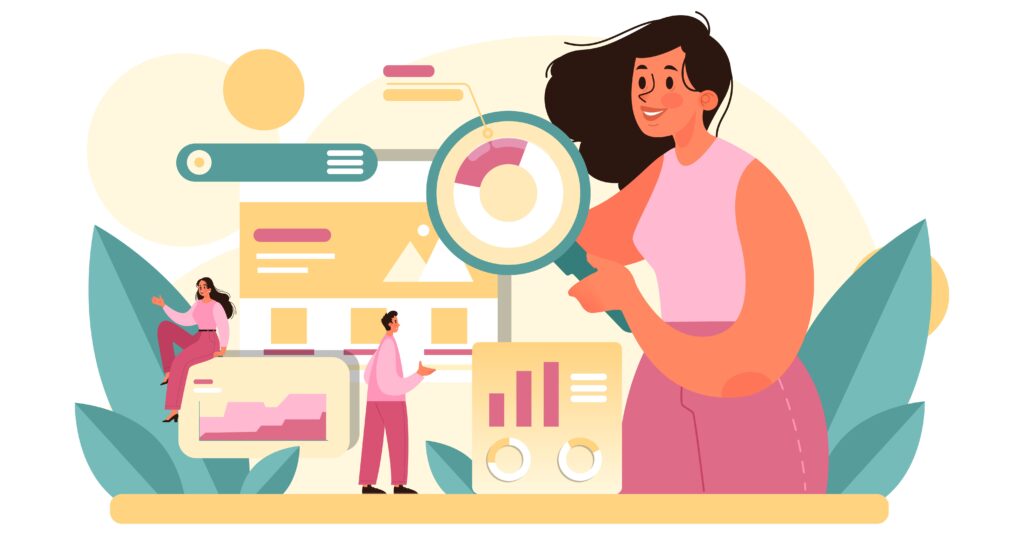
Understanding what auditors look for allows you to prepare properly. Below are the main compliance areas you need to review.
Worker Classification
DOLE pays close attention to whether workers are correctly classified.
Red flags include:
- Contractors working fixed schedules
- Contractors using company tools and systems
- Contractors reporting to company managers daily
- Long-term engagements without benefits
If your freelancers function like employees, DOLE may require employee conversions under Philippine law.
Employment Contracts and Documentation
Auditors will request written agreements for every worker.
They typically check:
- Employment contracts aligned with Philippine labor law
- Clear job roles and compensation terms
- Compliance with probationary and regular employment rules
Our platform ensures every contract is compliant and legally enforceable, giving you peace of mind during audits.
Payroll Records and Wage Compliance
Payroll accuracy is a major focus during audits.
DOLE checks:
- Minimum wage compliance
- Timely salary payments
- Proper payslips and payroll records
- Overtime and holiday pay
If you manage virtual staff directly, even small payroll errors can raise serious concerns.
Mandatory Government Contributions
All employees in the Philippines must receive mandatory benefits.
Auditors will verify registration and payments for:
- Social Security System (SSS)
- PhilHealth
- Pag-IBIG Fund
Failure to comply can result in penalties and retroactive payments. Our platform manages these contributions for you, ensuring accuracy and timeliness.
Working Hours and Leave Benefits
DOLE audits also examine how working hours and leave entitlements are handled.
Key items include:
- Standard working hours
- Overtime tracking
- Service incentive leave
- Holiday pay
Foreign employers who build virtual teams often overlook these details, especially when managing across time zones.
Common Compliance Mistakes Foreign Employers Make
Even well-intentioned employers can fall into compliance traps.
Treating Long-Term Contractors as Independent
Many companies start with freelancers and virtual assistants. Over time, these workers become core team members. Without proper employee conversions, this setup creates risk.
Incomplete Record-Keeping
Missing payslips, unsigned contracts, or inconsistent payroll records are common audit findings.
Assuming Offshore Status Reduces Liability
Being based outside the Philippines does not remove your obligations. DOLE focuses on where the worker is located, not where you operate.
How to Prepare for a DOLE Audit Step by Step
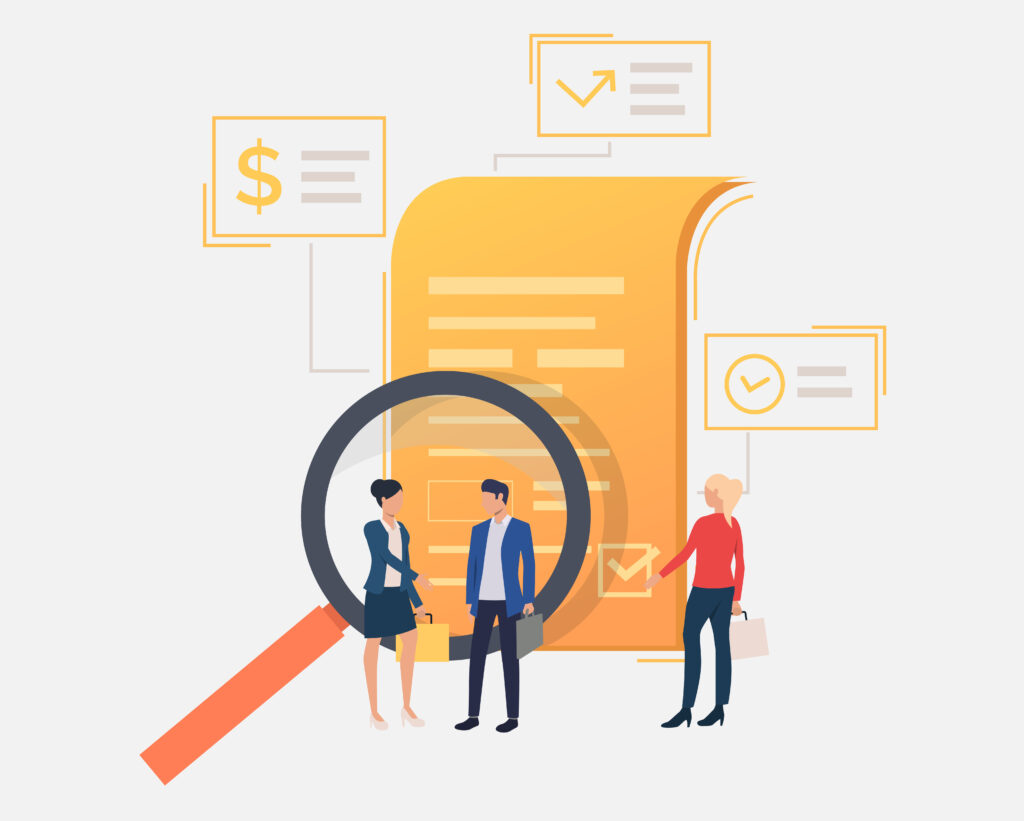
Preparation is your strongest defense. Here’s how you can stay ready at all times.
Step 1: Review Your Team Structure
Start by assessing how your Filipino workers are engaged.
Ask yourself:
- Are they contractors or employees?
- Do they work fixed hours?
- Do they depend on your company as their primary income source?
If your virtual staff operates like employees, compliance adjustments may be necessary.
Step 2: Audit Your Documentation
Ensure you have:
- Signed employment contracts
- Updated payroll records
- Proof of government registrations
- Clear role descriptions
Our platform centralizes all documents, making them easy to access during audits.
Step 3: Verify Payroll and Benefits
Double-check that:
- Salaries meet legal requirements
- Benefits are correctly calculated
- Contributions are paid on time
Payroll errors are among the most common audit issues, especially for foreign employers.
Step 4: Prepare Your Internal Team
If you manage HR internally, make sure everyone understands DOLE requirements.
This includes:
- Proper responses during inspections
- Knowing where records are stored
- Clear communication with auditors
Working with an Employer of Record removes this burden from your internal team.
How Comply.ph Simplifies DOLE Audit Readiness
At Comply.ph, our platform is designed to protect you from compliance risks while allowing you to grow confidently in the Philippines.
Employer of Record Expertise
We officially employ your Filipino team under our Philippine entity. This means:
- Full compliance with labor laws
- Proper classification of workers
- Accurate contracts and documentation
When DOLE audits occur, your workforce is already structured correctly.
Seamless Employee Conversions
If you currently work with freelancers or contractors, we help you transition them legally.
With employee conversions:
- Workers receive benefits and job security
- You reduce audit exposure
- Your team becomes more loyal and stable
This is one of the most effective ways to prepare for audits before they happen.
End-to-End Payroll and Compliance Management
Our platform handles:
- Payroll processing
- Government contributions
- Tax withholdings
- Leave tracking
You receive a single invoice while we manage everything behind the scenes.
Built for Companies That Build Virtual Teams
Foreign employers choose our platform because it allows them to build virtual teams without worrying about compliance complexities.
Benefits include:
- Local HR and legal expertise
- Transparent pricing
- Audit-ready systems
- Ongoing compliance monitoring
Turning Audit Readiness Into a Long-Term Advantage
Preparing for DOLE audits isn’t just about avoiding penalties. It’s about building a sustainable workforce.
When your virtual staff feels secure:
- Retention improves
- Performance increases
- Relationships become more professional
Compliance strengthens your business foundation in the Philippines.
Why DOLE Compliance Supports Growth
Foreign employers who prioritize compliance are better positioned to scale.
Key advantages include:
- Reduced legal exposure
- Stronger employer brand
- Higher worker loyalty
- Easier workforce expansion
Our platform supports long-term success by aligning compliance with your growth goals.
What Happens If You’re Audited While Using Comply.ph
If a DOLE audit occurs while you work with us:
- Employment records are already compliant
- Payroll and benefits are up to date
- Documentation is organized and accessible
- Local experts handle auditor interactions
This level of preparation dramatically reduces stress and disruption.
Final Thoughts: Be Proactive, Not Reactive
DOLE audits are part of doing business in the Philippines. The best approach is to prepare before issues arise.
If you:
- Build virtual teams in the Philippines
- Rely on virtual staff for daily operations
- Plan to secure talent for the long term
Then compliance should be built into your hiring strategy from day one.
Our platform exists to help you do exactly that. From employee conversions to full Employer of Record services, Comply.ph ensures you stay compliant, protect your business, and show your Filipino team the respect and security they deserve.
Ready to prepare for DOLE audits the right way?
Book your free consultation with our platform today and learn how easy it is to build a compliant, loyal team in the Philippines without the compliance headaches.